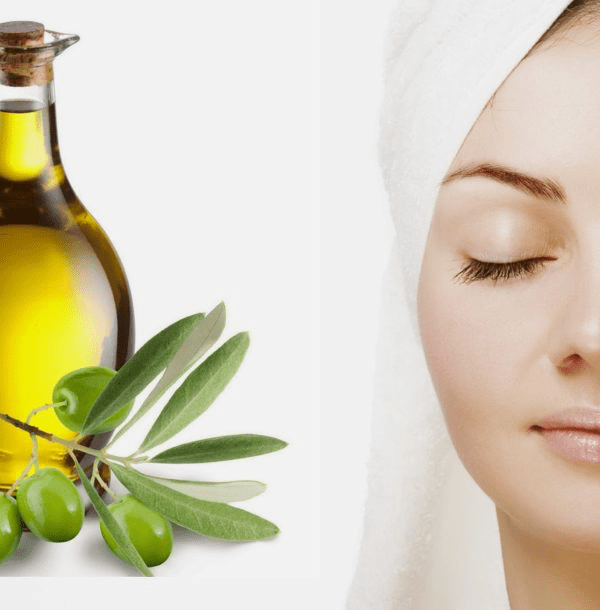
Caio! I hope everyone has had a great time these past few week. Today I’ll be talking about the role olive oil has in skincare.
History
Using olive oil for skincare goes way back to 5000 years ago. The Ancient Egyptians, Greeks, Phoenicians, Romans, and other Mediterranean countries. Originally, people of higher social class used olive oil to cleanse their skin; normally paired with essential oils. It is rumored that Cleopatra used olive oil on her skin, so who wouldn’t want to use the same skincare regime as an Ancient Egyptian ruler. Homer, the Greek author of the Iliad and the Odyssey coined olive oil and ‘liquid gold’.

Skin Benefits of Olive Oil
Olive oil has many benefits to the skin. Firstly, it has low comedogenic properties, meaning it won’t clog pores, and it is hypoallergenic so anyone could use it. Olive oil contains strong antioxidants that fight off free radicals. Cell that cause aging are attacked, giving olive oil anti-aging skincare properties. There’s an antioxidant called hydroxytyrosol that has anti-inflammatory properties. This antioxidant can be destroyed during processing, so it’s important to use cold pressed or extra virgin olive oil on your skin. Vitamin E and K present in olive oil is very beneficial to the skin and helps repair and renew skin. Olive oil is able to balance natural skin oils and also creates a barriers that prevents moisture loss. Olive oil traps water between this barrier, leaving skin soft and smooth.
Skin Conditions and Olive Oil
Using olive oil on the skin can help reduce the inflammation from psoriasis. This is due to a chemical compound called squalene, which is only present in extra virgin olive oil. However, research has shown that using olive oil to help with eczema can cause irritation. This irritation may be cause by the oleic fatty acids, leading to doctors not recommending use of olive oil on eczema. As for other skin conditions, such as acne, there is little evidence of on whether or not olive oil can help.
Should We Not Use Olive Oil On Our Skin?
Olive oil is high in oleic and linoleic fatty acids. Oleic acid has been shown to increase water loss through the skin, which is not beneficial to people with dry or sensitive skin. As mentioned above, oleic acid has a negative effect on skin with eczema. In some people, studies show that the top layer of skin (stratum corneum) and cause redness.

Olive Oil Skin Products
Olive oil acts as a base for most moisturizing skincare products. In order to get the best results, it’s better to apply olive oil to damp skin to reduce greasiness. Other skincare products containing olive oil include exfoliators, body scrubs, makeup remover, and more! Here is a link that shows the multiple was to implement olive oil into your skincare routine.
I love using natural products on my face, especially making homemade face masks from honey and turmeric. I will definitely be using olive oil in my skincare routine from now on!
Thanks for Reading!
 Megan's Italian Table